What to eat with nausea on Ozempic, Wegovy, Zepbound or Foundayo
Nausea and sudden meat or grease aversions are common when starting or raising a GLP-1 dose. Here are manufacturer-backed meal habits, gentle high-protein options, and the red flags that mean call your clinician.
By the Lean But Strong editorial team · Updated November 25, 2026 · 7 min read · Not medical advice
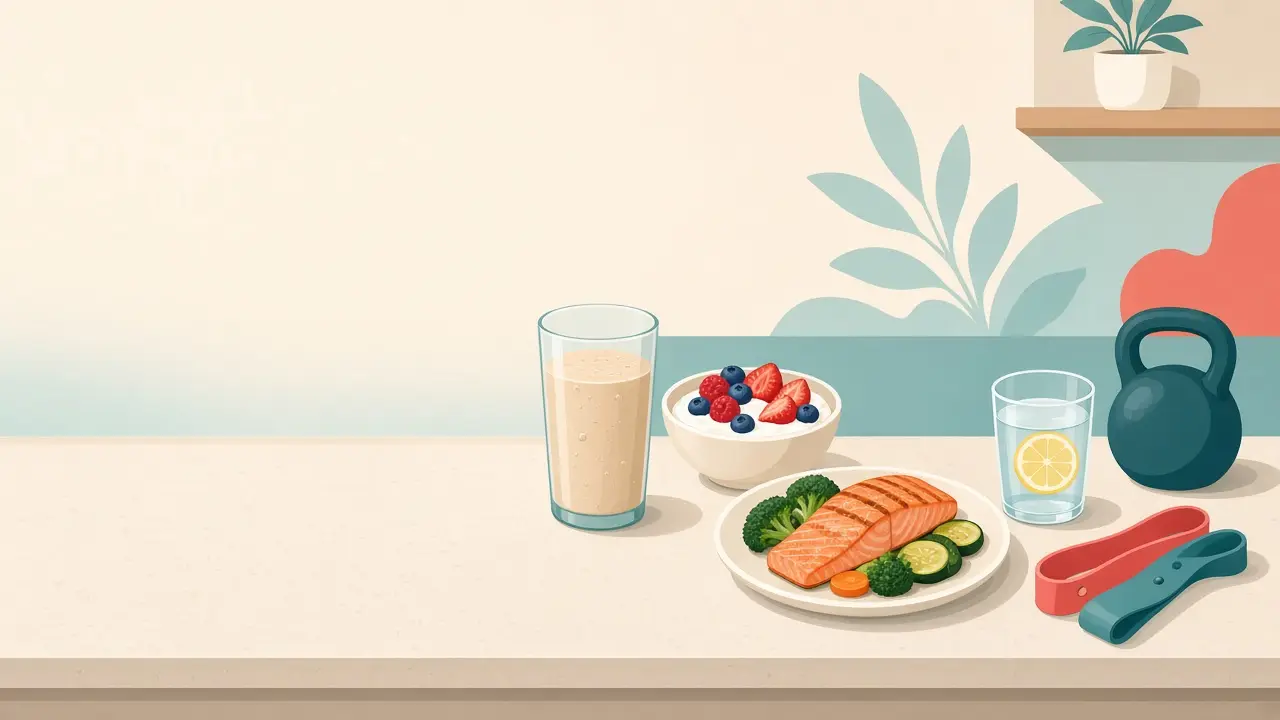
Nausea is the single most common side effect across GLP-1 labels — especially during the first weeks of treatment or right after a dose increase. Even when you do not feel actively sick, you might suddenly look at a hot chicken breast or scrambled eggs and feel zero desire to swallow a bite.
Skipping protein all week leaves you tired and threatens lean muscle. The trick is switching from heavy, aromatic meals to small, cool, low-fat protein bites.
Why nausea and food aversions hit
GLP-1 medicines slow down how fast food leaves your stomach. That helps you feel full on less food, and it also means a large, greasy, spicy or very sweet meal sits in your stomach much longer than it used to. Both Eli Lilly and Novo Nordisk's official side-effect guides emphasize smaller portions and lower-fat foods during adjustment weeks.
Label-based eating habits that help
- Eat smaller meals, more often: Four or five mini-meals beat two big meals. Stop as soon as you feel comfortably satisfied — even two bites past full can feel uncomfortable for hours.
- Keep fat simple and modest: Skip fried foods, heavy cream sauces, bacon and pastries on days after your dose or titration.
- Choose cool or room-temperature foods: Cooking smells trigger nausea. Cold cottage cheese, Greek yogurt, chilled shrimp, deli turkey roll-ups or an iced protein drink have far less aroma.
- Stay upright after eating: Avoid lying flat for 30 to 60 minutes after a meal to cut reflux and burping.
- Sip fluids between meals, not all at once with food: Big gulps of liquid on top of food fill the stomach too fast. See our hydration guide for pacing fluids and electrolytes.
Gentle proteins when meat sounds awful
When hot meat is unappealing, these mild options pack 15 to 30 g of protein with minimal fat or cooking smell:
- Plain or vanilla low-fat Greek yogurt (¾–1 cup): ~17–23 g protein, cool and mild on the stomach.
- Low-fat cottage cheese (½–1 cup) with berries or cucumber: ~14–28 g protein.
- Chilled poached chicken breast or turkey breast slices: ~20–25 g per 3 oz, bland and easy to portion into a few bites.
- Steamed edamame or cold silken/firm tofu cubes: gentle plant proteins with zero cooking grease.
- Cold protein shake sipped over 30–45 minutes: spreading 30 g of protein over half an hour avoids overwhelming your stomach.
For 25 fast ideas, open our printable high-protein mini-meals checklist.
Clear whey waters vs. thick dairy shakes
On rough mornings, creamy chocolate or vanilla shakes can feel too rich. Many GLP-1 users do better with:
- Unflavored or lightly mixed whey isolate in cold water (zero fat, minimal lactose; check our top-scored isolates in best protein shakes).
- Cold ready-to-drink ultra-filtered milk shakes diluted over ice if the full bottle feels too sweet.
- Plant-based shakes if dairy triggers bloating — watch out for heavy gums or sugar alcohols if you have a sensitive gut.
Remember that protein bars often use sugar alcohols (like maltitol) or chicory root fiber that can add gas or cramping on top of nausea; check the "sugar alcohols" column in our bar comparator before buying a full box.
When nausea is a warning sign
Mild, passing nausea during dose escalation is common. However, FDA-approved Medication Guides for Wegovy, Ozempic, Zepbound, Mounjaro and Foundayo instruct patients to seek medical care promptly if they experience:
- Severe, persistent pain in the abdomen (sometimes radiating to the back), with or without vomiting
- Repeated vomiting or diarrhea that prevents keeping fluids down (dehydration can stress the kidneys)
- Fever, yellowing of skin or eyes, or right-upper-belly pain after eating
For the full side-by-side summary of manufacturer tips and red flags (plus constipation and diarrhea), use our official GLP-1 digestion guide & printable checklist.
Not medical advice. Do not adjust your medication schedule on your own; ask your prescriber if nausea persists or interferes with hydration.
Frequently asked questions
Why do greasy or fried foods make GLP-1 nausea worse?
GLP-1 medicines slow stomach emptying. High-fat and fried foods naturally stay in the stomach longest, so combining them with slower gastric emptying often triggers nausea, fullness or sulfur burps.
Are protein shakes okay when I feel nauseous?
Many people tolerate cold, lighter liquids better than a heavy plate of food. If creamy shakes feel too thick, a clear whey isolate water (0 g fat, light fruit flavor) or cold Greek yogurt often goes down easier.
When should I call my doctor about nausea?
Contact your prescriber promptly if you cannot keep liquids down, feel dizzy or urinate less (dehydration), or have severe, persistent upper-belly pain (with or without vomiting), which FDA labels flag as a possible sign of pancreatitis or gallbladder trouble.
Sources
- Eli Lilly. Zepbound: Managing Possible Side Effects (patient guide).
- Eli Lilly. Foundayo: Managing Possible Side Effects (patient guide).
- Novo Nordisk. Wegovy Common Side Effects & Safety Guide.
- Gastrointestinal effects of GLP-1 receptor agonists and practical management (Mayo Clinic Proceedings, 2025).
- Nutritional priorities to support GLP-1 therapy for obesity: joint advisory of ACLM, ASN, OMA and TOS (2025).